
Measurements establish the starting point
Dry desert air does not establish the moisture inside your floor or wall. Ask which materials are being tested, how readings are recorded and whether inaccessible cavities remain uncertain. A surface reading and a concealed assembly are different observations. Build a tile-on-slab map of edges, transitions and access limits before comparing later observations.
Understand airflow and dehumidification
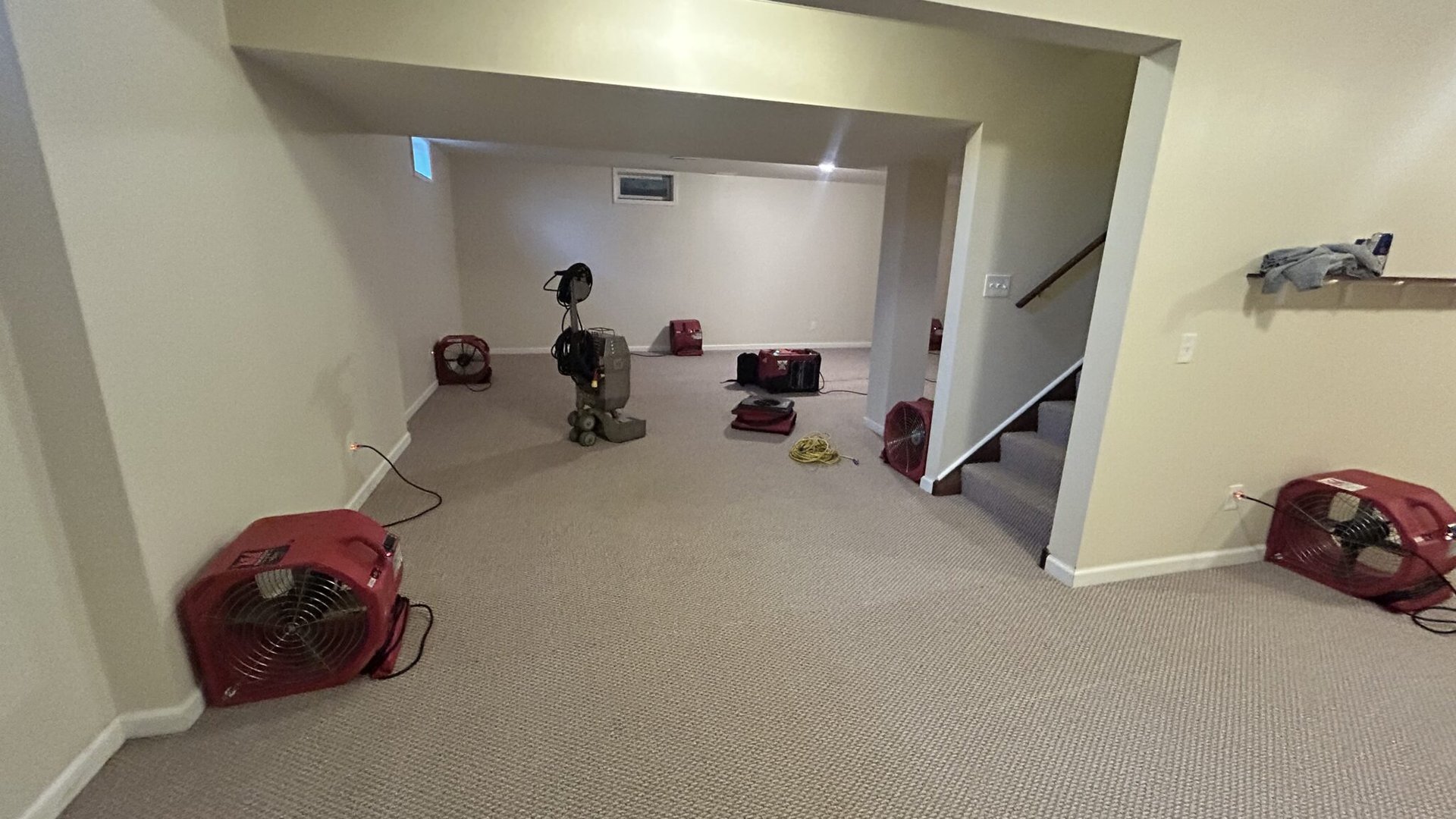
After safety and contamination checks, a provider may plan air movement and dehumidification. Ask what each machine does, where it belongs and which circuits it needs. Follow the operating instructions; moving equipment or changing ventilation without agreement can alter the plan.
Make monitoring and costs explicit
Request the monitoring frequency, responsible contact and criteria for changing equipment. Ask which charges are daily and which are fixed. An estimated duration should not become a promise that every material will be dry on a particular day. The drying evidence guide explains useful questions.
Separate dry-out from rebuilding
New finishes should not conceal an unresolved moisture source. Obtain the completion record and identify repairs that remain outside the drying contract. Discuss recurring odor or visible growth through a separate mold remediation assessment.
Las Vegas context and official guidance
For weather and street-access considerations, use the Las Vegas property guide. In a heavy rain situation, review what to record about outdoor water entry.
Official resources
Resources support general guidance. They do not establish provider availability or endorsement.